
In today’s fast-moving financial world, traders and investors are constantly searching for smarter ways to grow wealth while managing risk. One of the most effective approaches gaining traction is strategic indices trading—a method that allows market participants to tap into the performance of entire economies rather than individual stocks.
Whether you are a beginner or an experienced trader, understanding global indices trading strategies can significantly enhance your portfolio. Indices like the S&P 500, NASDAQ, FTSE 100, and NIFTY 50 provide exposure to multiple companies, making them powerful tools for portfolio performance optimization trading.
In this guide, FGC Trading Experts will walk you through proven techniques, insights, and practical strategies to help you confidently trade global stock indices.
What is Strategic Indices Trading?
Strategic indices trading involves trading stock indices using planned, data-driven approaches rather than speculation. Instead of focusing on individual stocks, traders analyze broader market movements.
Why Trade Indices?
- Diversification across multiple companies
- Lower risk compared to single-stock trading
- Exposure to global economies
- High liquidity and volatility (ideal for trading)
Indices trading is especially useful for those looking to implement index investing strategies with a tactical edge.
Benefits of Trading Global Stock Indices

Trading indices is not just about convenience—it’s about efficiency and performance.
Built-in Diversification
When you trade global stock indices, you automatically spread risk across various sectors and companies.
Market Trend Clarity
Indices reflect the overall market sentiment, making it easier to identify trends compared to individual stocks.
Reduced Company-Specific Risk
Unlike stocks, indices are less affected by single company events like earnings misses or scandals.
Opportunities Across Time Zones
With global indices like Dow Jones, DAX, and Nikkei, traders can access markets nearly 24/7.
Top Global Indices Trading Strategies
To succeed in global indices trading strategies, you need a combination of technical analysis, risk management, and timing.
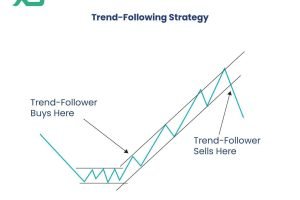
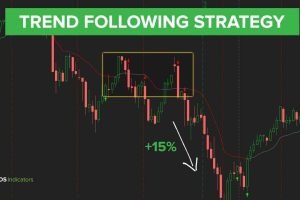
Trend Following Strategy
This strategy focuses on identifying and riding long-term trends.
- Use moving averages (50-day, 200-day)
- Enter trades in the direction of the trend
- Avoid counter-trend trading
Breakout Trading
Breakouts occur when the price moves beyond key resistance or support levels.
- Identify consolidation zones
- Enter on strong volume breakouts
- Use stop-loss to manage risk
Range Trading
Ideal for sideways markets:
- Buy at support
- Sell at resistance
- Use oscillators like RSI
News-Based Trading
Economic data releases (GDP, inflation, interest rates) significantly impact indices.
- Monitor global economic calendars
- Trade volatility during announcements
These approaches are essential for portfolio performance optimization trading.
Index Investing Strategies for Long-Term Growth
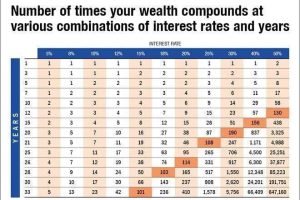
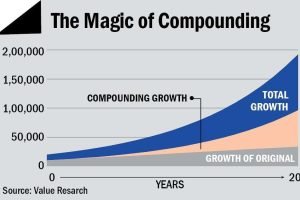
If you’re not a short-term trader, index investing strategies can help build wealth steadily.
Buy and Hold Strategy
Invest in strong indices like S&P 500 or NIFTY 50 and hold for long-term growth.
Dollar-Cost Averaging
Invest fixed amounts regularly to reduce the impact of market volatility.
Sector Rotation
Shift investments between sectors based on economic cycles.
ETF-Based Index Investing
Use Exchange-Traded Funds (ETFs) to track indices efficiently with low fees.
These strategies are widely used by institutional investors to ensure consistent returns.
How Strategic Indices Trading Improves Portfolio Performance
One of the main goals of traders is portfolio performance optimization trading, and indices play a key role in achieving this.
Key Advantages:
- Balanced risk-return ratio
- Exposure to global markets
- Stability during volatility
- Easier portfolio management
By combining short-term trading strategies with long-term investing, traders can create a hybrid model that maximizes profits while minimizing risk.
Risk Management in Indices Trading
Even the best global indices trading strategies can fail without proper risk management.
Essential Risk Management Tips:
- Always use stop-loss orders
- Avoid over-leveraging
- Diversify across multiple indices
- Stick to a disciplined trading plan
At FGC Trading Experts, we emphasize that risk management is the backbone of successful trading.
Why Choose FGC Trading Experts?
FGC Trading Experts provides high-quality insights, signals, and strategies tailored for both beginners and professional traders.
What You Get:
- High-accuracy trading signals
- Expert market analysis
- Real-time updates on global indices
- Proven strategies for consistent results
If you’re serious about improving your trading, our expertise can help you master strategic indices trading.
Conclusion
Strategic indices trading is one of the smartest ways to participate in global financial markets. Whether you aim to actively trade or invest for the long term, understanding global indices trading strategies can significantly boost your results.
By applying the right techniques, managing risks, and leveraging expert insights from FGC Trading Experts, you can successfully trade global stock indices and achieve consistent portfolio performance optimization trading.
What is strategic indices trading?
Strategic indices trading involves trading stock indices using planned strategies based on technical and fundamental analysis.
How can I trade global stock indices?
You can trade indices through brokers using CFDs, futures, or ETFs depending on your investment goals.
Are index investing strategies safe?
They are generally safer than individual stock trading due to diversification, but market risks still exist.
Which indices are best for beginners?
Popular indices like S&P 500, NASDAQ, and NIFTY 50 are ideal due to liquidity and stability.
How do I improve portfolio performance with indices?
Use diversification, proper risk management, and combine trading with long-term investing strategies.